- Dubai
- [Frankfurt]
- [Los Angeles]
- Dubai
- [Frankfurt]
- [Los Angeles]
Professionals beyond the pitch.
- Dubai
- Frankfurt
- Los Angeles
Pro Football Services by Entrepreneur Lukas Duzy


„The refinancing of transfers is crucial for the economic sustainability of a football club. Ever-increasing transfer expenditures and player salary developments present immense challenges for clubs. Clubs that can successfully integrate creative financing models secure not only a competitive edge in sports but also economically.“
FC1001 owner Lukas Duzy adds: „Transfer refinancing will remain a key topic in professional football in the coming years. Due to the increasing professionalization of the sport and global competition, clubs are being forced to explore ever more innovative financing methods to stay competitive at the highest level.“
Professionals beyond the pitch
External investors or
family offices and
financing funds
More and more clubs are partnering with private investors or funds specifically aimed at financing player transfers. These investors provide capital that is repaid over the years through sporting success, player resales, or increased TV and sponsorship revenues.
Transfer bonds
and assignement
of TV rights
Some clubs, especially in top-tier international football, are using the issuance of bonds to pre-finance large transfer fees. These bonds offer investors fixed interest and are repaid over a specified period. This is essentially a form of loan secured by the club’s expected income.
Player investment
models and future sale agreements
In certain markets, the model of third-party involvement in future transfer profits has become established. Here, an investor is guaranteed a percentage of the proceeds from a future resale. This provides the club with short-term liquidity but can also create long-term dependencies.
Revenue from merchandising and global marketing
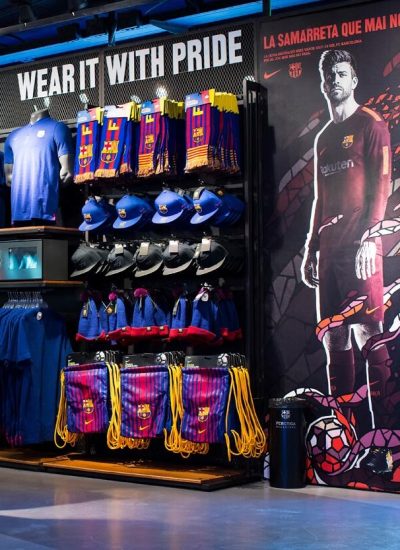
With the increasing commercialization of football, top clubs are increasingly using global marketing strategies to refinance transfers. Particularly popular players contribute significantly to boosting jersey sales, sponsorship deals, which in turn are used to cover transfer costs.
Transfer bonds
and assignement
of TV rights
Some clubs, especially in top-tier international football, are using the issuance of bonds to pre-finance large transfer fees. These bonds offer investors fixed interest and are repaid over a specified period. This is essentially a form of loan secured by the club’s expected income.
External investors or
family offices and
financing funds
More and more clubs are partnering with private investors or funds specifically aimed at financing player transfers. These investors provide capital that is repaid over the years through sporting success, player resales, or increased TV and sponsorship revenues.
Player investment
models and future sale agreements
In certain markets, the model of third-party involvement in future transfer profits has become established. Here, an investor is guaranteed a percentage of the proceeds from a future resale. This provides the club with short-term liquidity but can also create long-term dependencies.
Revenue from merchandising and global marketing
With the increasing commercialization of football, top clubs are increasingly using global marketing strategies to refinance transfers. Particularly popular players contribute significantly to boosting jersey sales, sponsorship deals, which in turn are used to cover transfer costs.
Let’s work together
Countdown to the World Cup 2026
NEWS
Lukas Duzy, FC1001 owner plans to open US headquarters in Los Angeles before the World Cup 2026.
The 2026 FIFA World Cup, hosted by the USA, Canada, and Mexico, is already being hailed as the largest World Cup in history. With 48 participating nations and an expanded total of 104 matches, the tournament will attract more teams and fans than ever before. This marks a significant milestone in football history and could greatly contribute to increasing the sport’s popularity in the United States, where it has traditionally taken a backseat to sports like American football, basketball, and baseball.
For the U.S. economy, the 2026 World Cup promises substantial benefits. The influx of visitors to various host cities is expected to lead to significant economic growth. Hotels, restaurants, retail, and tourism sectors will thrive on the massive number of spectators. Additionally, the U.S. will gain international attention, with infrastructure investments in stadiums and transportation networks offering long-term positive effects.
For football fans from the Middle East, Europe and Asia, the World Cup in North America presents a unique opportunity to combine the tournament with a vacation. Many matches will be held in culturally and scenically stunning cities like New York, Los Angeles, and Miami. Fans can seize the chance to experience live games while also exploring world-famous landmarks. This makes the 2026 FIFA World Cup not only a sporting event of global significance but also an exceptional travel experience.